Launching a summer daycare necessitates adherence to specific legal requirements pivotal for lawful and efficient operation. First and foremost, understanding local and state regulations is crucial, as different regions impose varying criteria for childcare providers. Licensing is generally mandatory and ensures that the facility complies with safety and health standards imperative for childcare environments.
Additional permits, such as building and safety permits, might also be required, depending on the location and setup of your daycare. Compliance with insurance policies is another critical legal requirement, protecting your facility, staff, and children from potential liabilities.
It’s essential to consult with legal experts or local authorities to navigate the intricate documentation and application processes involved in securing necessary licenses and permits.
Furthermore, background checks for all staff members are mandated, ensuring they meet the legal standards required for those working closely with children. Establishing emergency procedures and acquiring necessary CPR and first-aid certifications are steps to fulfill legal prerequisites. Adhering to these legal obligations, though meticulous, lays the foundation for a reputable and compliant daycare operation.
2. How to Develop a Business Plan for a Daycare?
Creating a robust business plan is a cornerstone step in launching a summer daycare, acting as a strategic map guiding you through the initial setup and long-term operations. The plan should begin with a detailed market analysis to understand the community’s need for daycare services and your potential competitors. Identifying and defining your target audience helps tailor your services, ensuring the business’s relevance and attraction to prospective clients.
The next critical component involves outlining your financial plan, including startup capital and projected operational costs. Financial projections should encompass a range of scenarios, addressing potential income and expenses comprehensively. Additionally, delineating your marketing strategy within the business plan fosters effective communication of your services, solidifying your daycare’s brand presence in the marketplace.
Lastly, include a comprehensive staffing plan, highlighting recruitment strategies and training programs essential for maintaining high-quality services. Clear objectives and growth milestones should be elaborated upon, keeping the daycare on track for ongoing success and expansion. Regularly reviewing and adjusting the business plan ensures alignment with the evolving needs and circumstances of your daycare operation.
3. What Are the Costs Involved in Setting Up a Daycare?
Understanding the costs involved in setting up a summer daycare is vital for financial planning and sustainable operations. Initial expenses often include securing a suitable location, which may involve leasing costs or renovations to comply with regulatory standards. Equipping the facility with child-friendly furniture, toys, learning materials, and safety equipment poses an additional investment.
Operational costs, including staffing salaries, utilities, and daily supplies, must be factored into the financial plan. Unexpected expenses, such as repair and maintenance, should also be anticipated and budgeted for, ensuring the daycare operates smoothly without financial strain. Additionally, investing in comprehensive insurance coverage to safeguard your assets may add to initial and ongoing expenditures.
Strategically managing costs involves exploring cost-efficient materials and supplier alternatives, helping mitigate financial strain. Offering competitive pricing for daycare services requires balancing cost management with quality service provision. Conducting thorough research and meticulous planning ensures the financial feasibility and success of your daycare enterprise.
4. How to Design the Daycare Environment?
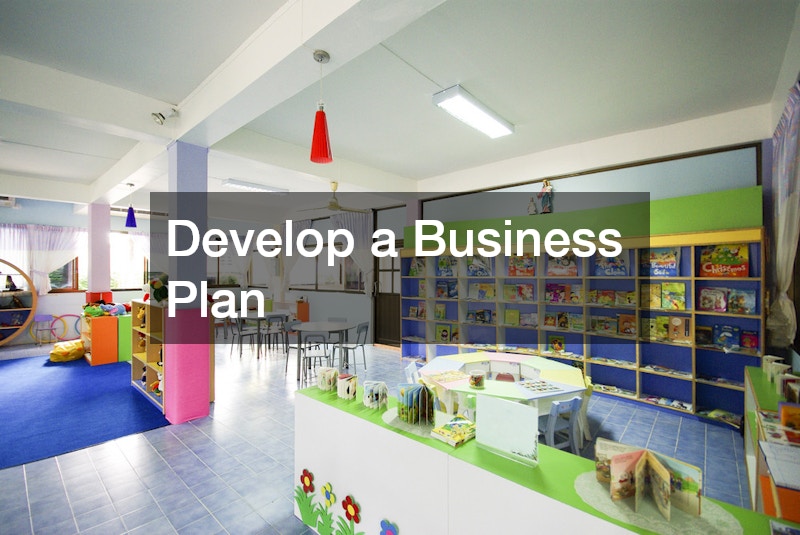
Designing an engaging and safe daycare environment plays a pivotal role in fostering child development and attracting parents. Start by creating distinct zones within the daycare that accommodate various activities, such as reading, arts and crafts, and physical play. Utilizing bright colors and educational stimuli in decor can spur children’s imagination and learning potential.
Safety is paramount in daycare design, necessitating the use of child-safe furniture and adherence to stringent safety standards. Incorporate security measures, such as controlled access points and thorough surveillance systems, to ensure the safety of children within your care. The integration of natural light and ventilation enhances the daycare atmosphere, promoting overall well-being and productivity among children and staff.
Furthermore, incorporating eco-friendly practices within the daycare environment, such as recycling and the use of sustainable materials, promotes an early awareness and respect for the environment among children. Periodic evaluation and updates to the environment based on children’s developmental needs and feedback enhance daycare efficiency and satisfaction. A well-planned and carefully executed environment ensures the comfort and safety of its occupants while providing a stimulating atmosphere for learning and growth.
5. What Activities to Include in a Summer Daycare Program?
Structuring a vibrant and comprehensive summer daycare program involves curating a variety of activities that promote learning and fun. Educational activities, such as storytelling, puzzles, and interactive learning sessions, not only engage children but also support cognitive development. Physical activities, including outdoor sports and movement games, contribute to the physical well-being and social skills development of children.
Creative arts activities, such as drawing, painting, and music, provide opportunities for children to express themselves while developing fine motor skills. Including collaborative projects can encourage teamwork and enhance social interaction within the daycare community. Incorporating special themed days or field trips adds an element of excitement and novelty to the program, keeping children eagerly engaged.
Moreover, fostering an inclusive environment by incorporating diverse activities encourages respect for individuality and cultural diversity. Tailoring the program to suit different age groups and abilities ensures accommodating the varied interests and developmental needs of all children. Regular assessment and feedback from both children and parents guide the improvement and enrichment of your summer daycare offerings.
By effectively addressing these questions and areas, you can establish a successful and thriving summer daycare program. A meticulous approach to planning, cost management, and environment design lays the groundwork for a rewarding and sustainable daycare operation. Integrating engaging activities within a safe and nurturing environment not only promotes child development but also builds a solid reputation for your daycare.