Highlights
Montessori and traditional schools can both provide strong academic foundations, but they organize learning differently.
Montessori emphasizes independence, hands-on materials, mixed-age classrooms, and student choice within a prepared environment.
Traditional classrooms often use grade-level grouping, teacher-led lessons, shared pacing, and more standardized schedules and assessments.
The most important choice is the school’s fit with a child’s learning needs, family priorities, and expectations.
Choosing between Montessori and traditional school is not simply a matter of deciding which educational philosophy sounds better. Both approaches can offer structured learning, qualified teachers, and opportunities for children to develop academically and socially. The more useful question is how each school approaches instruction, classroom routines, independence, assessment, and the role of the teacher.
For families comparing a local private school with other education options, understanding these differences can make school visits and conversations with educators more productive. A Montessori environment may give children more opportunities to select activities, work with specialized materials, and progress through concepts at an individual pace. Traditional classrooms may place greater emphasis on teacher-directed lessons, grade-level standards, whole-group instruction, and a common classroom schedule.
Montessori education is designed around the idea that children can actively participate in their own learning. The American Montessori Society identifies trained Montessori teachers, multi-age classrooms, Montessori materials, child-directed work, and uninterrupted work periods as core components of a quality Montessori experience. These elements distinguish the approach from many conventional classroom structures.
Traditional education is not a single model, either. Schools differ in curriculum, teaching methods, class size, assessment practices, and the amount of individualized instruction they provide. That is why comparing labels alone can be misleading. When evaluating a local private school, families should look closely at what children actually do during a typical school day and how teachers respond to individual differences.
Did you know? Montessori classrooms are commonly organized around multi-age groupings rather than a single birth-year grade. The American Montessori Society notes that these classrooms typically span about three years, allowing students to learn alongside younger and older classmates. This structure can create opportunities for peer modeling, collaboration, and leadership while keeping the classroom community relatively stable.
Comparing Classroom Structure and Teaching
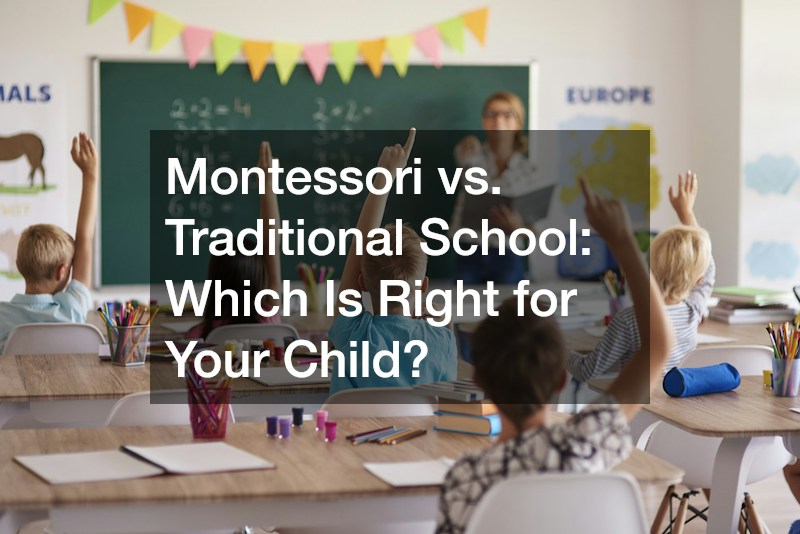
One of the clearest differences between Montessori and traditional education is how the classroom is organized. In many traditional schools, students are grouped primarily by age and follow a schedule that moves the class through lessons and activities together. The teacher generally introduces concepts, directs practice, checks understanding, and moves the class toward established learning objectives.
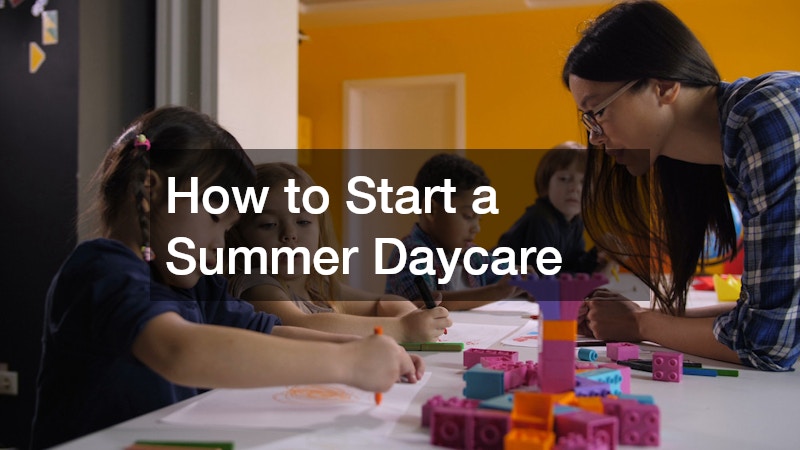
Montessori classrooms use a prepared environment containing materials and activities designed for developmental stages. Children may choose among appropriate tasks, work independently or with others, and receive lessons from a teacher when they are ready for a particular concept. The teacher serves as an observer and guide, rather than directing every minute of the day. The
This does not mean Montessori is unstructured. Clear expectations, classroom routines, appropriate materials, and teacher guidance provide boundaries. The difference is where some of the day-to-day decision-making happens. In a Montessori setting, children may have more responsibility for choosing and completing work; in a traditional classroom, the teacher typically determines more of the sequence and pacing.
For parents, the practical question is not whether one structure is universally superior. It is whether the structure matches the child. A child who enjoys choice, repetition, movement, and independent problem-solving may respond well to Montessori routines. Another child may prefer a predictable teacher-led sequence and frequent whole-group interaction. Visiting classrooms can reveal these differences more clearly than a brochure.
Did you know? Montessori materials are designed to make learning concepts more concrete and hands-on. According to the American Montessori Society, specially designed materials are a hallmark of Montessori education, while child-directed work gives students greater agency in selecting activities. This can make the learning process look different from a classroom centered primarily on textbooks, worksheets, lectures, or group assignments.
Evaluating What Matters Most When Choosing a School
Once families understand the instructional differences, the next step is to evaluate the school itself. A Montessori label does not automatically tell parents how faithfully a program follows Montessori principles, just as the word traditional does not describe every conventional classroom. The quality of the teachers, consistency of the curriculum, classroom environment, communication with families, and approach to student support all deserve attention.
Parents should ask how teachers assess progress, how lessons are individualized, how students who need additional support are helped, and how the school communicates academic expectations. It is also useful to ask what a normal day looks like, how much time children spend working independently, how technology is used, and how teachers encourage collaboration and social development.
Academic fit matters, but so does developmental fit. A school should provide appropriate challenge without making every child follow exactly the same path. Families considering a local private school can also compare class size, school policies, enrichment opportunities, schedules, transportation, tuition, and the qualifications or training expected of teachers.
At a Montessori School, parents can use a school visit or conversation with staff to learn how the Montessori approach is applied in the actual classroom. Rather than choosing based only on a comparison chart, families can observe how children interact with teachers, materials, classmates, and their learning environment. That firsthand perspective can help determine whether the school feels aligned with the child’s needs and the family’s educational priorities.
Finding the Right Fit
The best school choice is the one that provides an appropriate combination of academic instruction, developmental support, structure, and opportunity for the individual child. Montessori and traditional education can both be meaningful options, but their daily experiences can differ significantly. Families should focus less on which label wins a general comparison and more on whether the school’s practices match their child.
A local private school can be worth considering when families want to compare educational models and examine school-level details that may differ from one campus to another. The U.S. Department of Education provides resources for families exploring education choices, including private-school information and state-specific regulations.
For families interested in a Montessori environment, a Montessori School can be a starting point for learning more about its educational approach, classroom experience, and school community. Parents can review the school’s curriculum, classroom structure, teacher qualifications, daily routines, and opportunities for individualized learning to better understand what the program offers. It can also be helpful to ask specific questions about how teachers support different learning styles, assess student progress, and encourage independence. Scheduling a conversation or school visit gives families an opportunity to see the learning environment firsthand and determine whether the program aligns with their child’s needs, interests, and the family’s educational priorities.
Frequently Asked Questions
What is the biggest difference between Montessori and traditional school?
Montessori generally gives students more responsibility for selecting and managing appropriate learning activities within a prepared environment, while traditional classrooms more often rely on teacher-directed lessons and shared pacing. Actual practices vary by school.
Is Montessori less structured than traditional education?
No. Montessori classrooms have routines, expectations, carefully prepared materials, and teacher guidance. The structure is organized differently, with children often having more choice within defined boundaries.
How can families learn more about Montessori School?
Families considering a local private school can explore a Montessori School to learn more about its programs and educational approach. Contact a local Montessori School directly to ask questions, arrange a visit, and determine whether its Montessori environment is the right fit for your child.